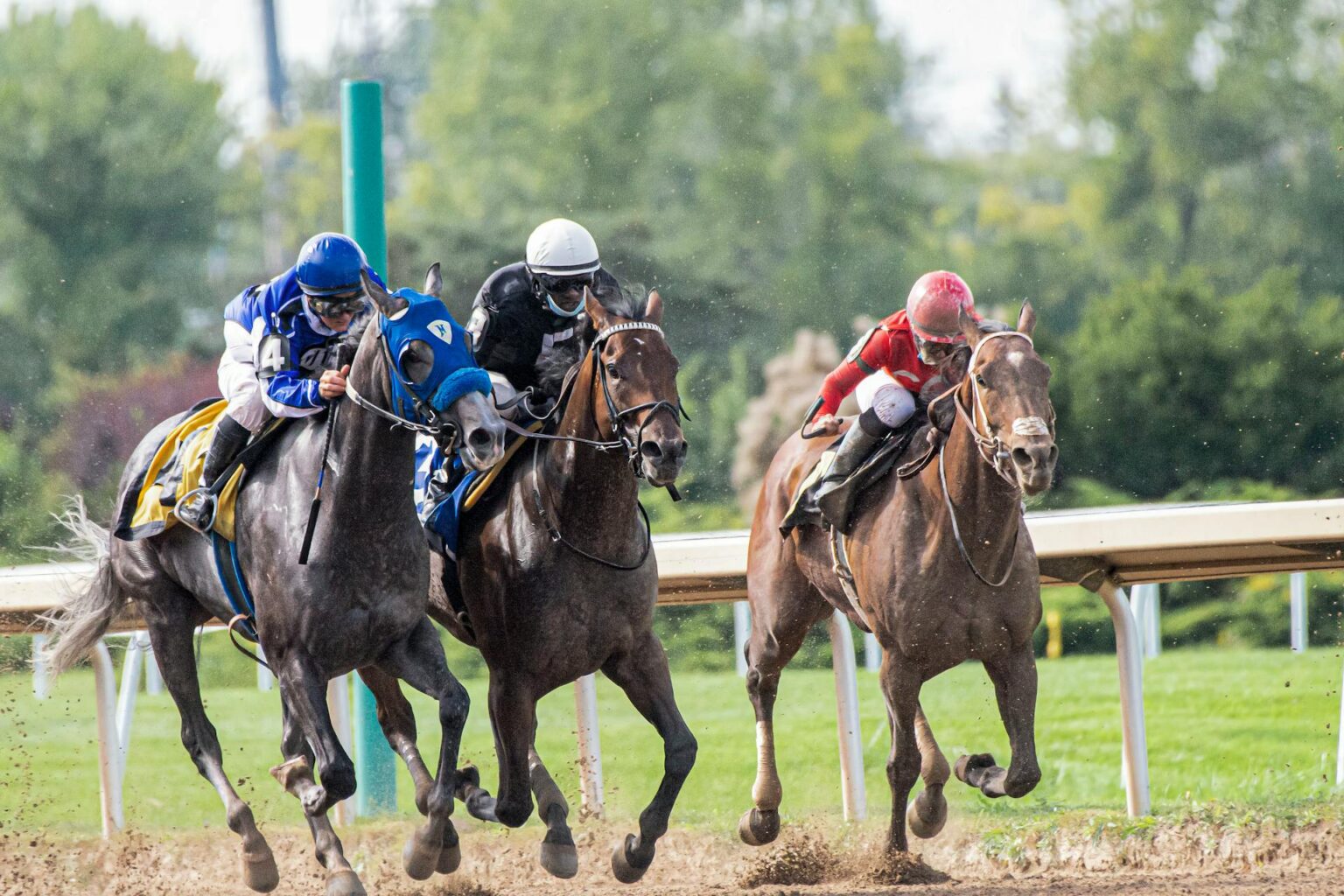
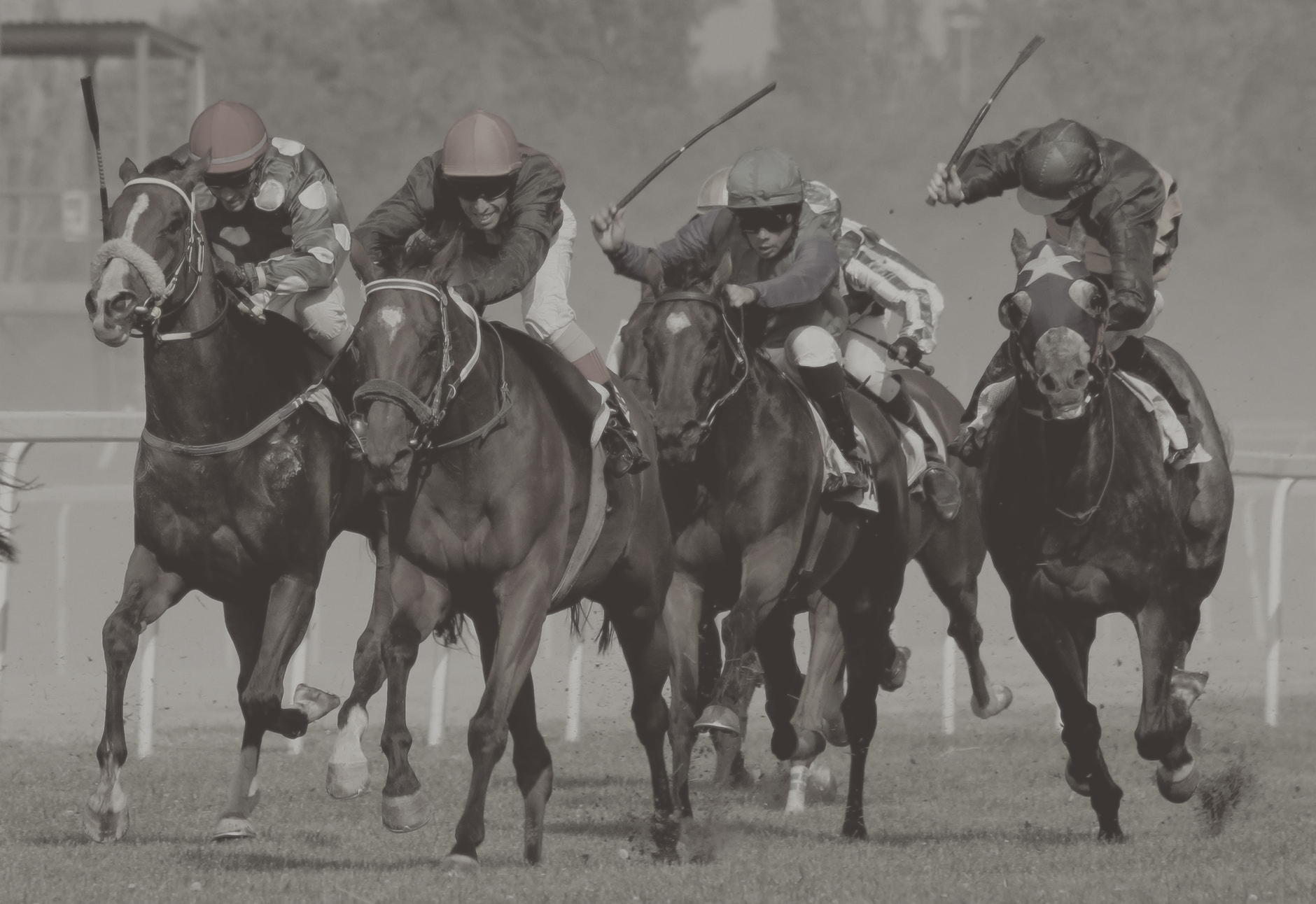
The world of British horse racing is rich in tradition and has long been a beloved pastime, drawing spectators and bettors alike to its numerous events throughout the year. However, while the sport itself has a vibrant legacy, there have been instances of cancellations that can have far-reaching effects. Understanding these occurrences—why they happen, how often they occur, and their implications on the industry—provides insight into an integral aspect of British culture. For more information on the ins and outs of horse racing, check out British horse racing not on GamStop equifacs.co.uk.
A Brief History of British Horse Racing
Horse racing in Britain dates back to at least the 12th century, with a rich tapestry woven through the ages. From the early days of the sport to the establishment of formal racing events like The Derby in 1780, British horse racing has evolved alongside changing societal values and interests. In modern times, the sport encompasses a wide range of events, from flat racing to jump racing, each with its own traditions and fanbase.
Reasons for Cancellations
Cancellations in horse racing can occur for a variety of reasons. Weather conditions are among the most common causes, with heavy rain, snow, or fog potentially compromising the safety and visibility of both horses and jockeys. Additionally, health concerns such as disease outbreaks (e.g., equine influenza) can lead to the cancellation of race meetings to protect the horses involved.
Financial implications can also play a role; if there isn’t sufficient participation from jockeys or owners, a race may be called off. On rare occasions, issues such as infrastructure problems, including track maintenance or safety breaches, can also lead to unforeseen cancellations.
The Economic Impact of Cancellations
When a race is cancelled, the effects ripple through the economy. Racecourses lose income from ticket sales, concessions, and sponsorship deals. Furthermore, local businesses surrounding the racing venues, such as hotels, restaurants, and shops, may suffer significant losses. A study focusing on the economic landscape of British horse racing highlights that job security for many depends on the consistent running of events.
Leading up to scheduled events, many individuals—punters, owners, and trainers—make financial arrangements based on the expectation of racing activities. The repercussions of cancellations can strain these relationships, impacting the overall economic cycle of the sport.

Fan Engagement and Community Impact
Additionally, cancellations impact fans who invest time and passion into attending races. For many, visiting a racecourse is a cherished tradition—an event marked on calendars, where families and friends gather to witness the thrill of competition. When these events are cancelled, it not only frustrates the fans but also diminishes the sense of community that revolves around the sport.
The emotional investment in a race meeting is substantial; many fans form bonds with particular horses, jockeys, and trainers, sharing their successes and setbacks. Cancelled events can lead to a sense of disconnection and loss within the community.
Future of British Horse Racing Cancellations
During the pandemic, we witnessed unprecedented cancellations of events worldwide, including horse racing. The adaptations made during this time—like digital engagements and virtual racing—have prompted discussions about the future of the sport. While traditional live racing is irreplaceable, these experiences led to innovations that may permanently alter how fans engage with horse racing.
As racing authorities continue to modernize the sport, they are also looking to mitigate future risks associated with cancellations. Safety protocols are now more stringent, and communication with fans has become more transparent, creating a stronger relationship with stakeholders.
The Role of Technology in Enhancing Racing
Technology has the potential to revolutionize how the horse racing landscape operates. With the rise of mobile apps and online platforms, fans can now partake in betting and engagements without being physically present. These advances can potentially insulate the industry from disruptions that lead to cancellations.
Another aspect is the growing trend of live-streaming races, allowing fans to stay connected to the sport even during periods of cancellation. These innovations not only provide fans with alternative means to engage but also help maintain interest in horse racing as a sport—an essential factor for its survival and growth.
Conclusion
British horse racing is a vital part of the country’s cultural and economic framework. While cancellations can pose significant challenges for the industry, they also present opportunities for reflection and innovation. By understanding the reasons behind these cancellations and their broader implications, stakeholders can work towards a more resilient and connected future for British horse racing and its passionate community.