
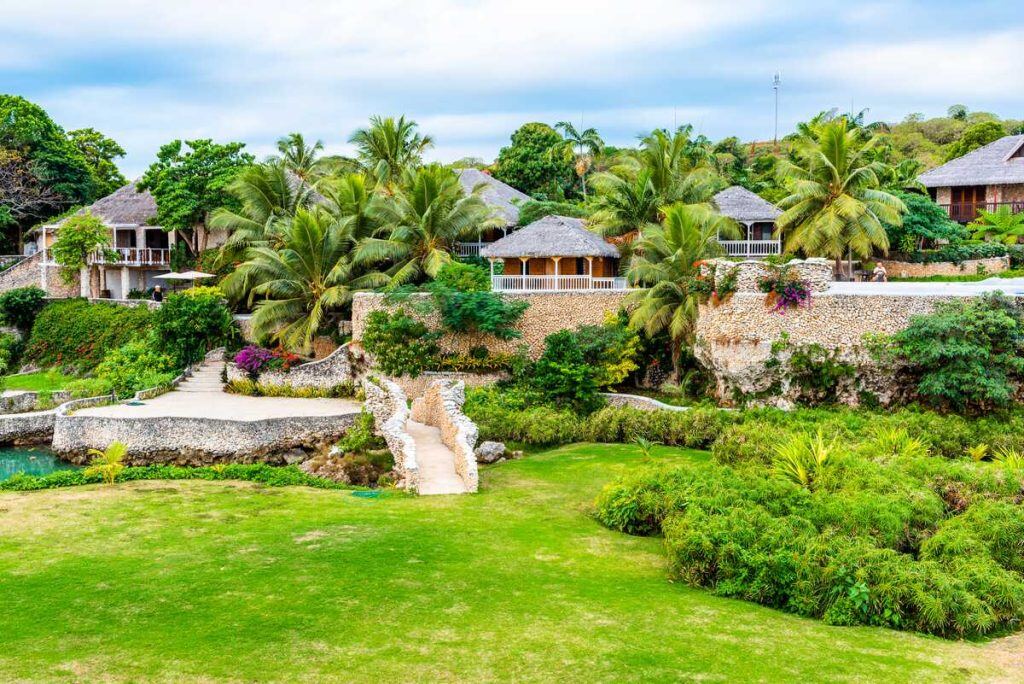
Exploring the Costs of Living in Vanuatu
Vanuatu is a beautiful archipelago in the South Pacific, known for its stunning landscapes, vibrant culture, and friendly locals. However, many potential residents and travelers wonder about the cost of living in this serene paradise. In this article, we’ll dive deep into the expenses you can expect when living or visiting Vanuatu, covering everything from housing and utilities to food and transportation. If you’re planning to make Vanuatu your next destination, vanuatu cost read more here to get all the necessary insights.
1. Housing Costs
The first thing to consider when evaluating the cost of living in Vanuatu is housing. The price of accommodation can vary significantly based on location, type of dwelling, and proximity to amenities. In the capital city of Port Vila, rental prices are generally higher than in rural areas.
As of the latest data, monthly rents for a one-bedroom apartment in Port Vila’s city center can range from $600 to $1,000, whereas the same apartment outside the city center may cost around $400 to $700. If you are looking to buy property, prices can also vary widely depending on the size and location—prices typically start around $80,000 for small lots in urban areas and can soar to millions for beachside properties.
2. Utility Expenses
Utilities are another essential aspect of living costs. In Vanuatu, utility expenses include electricity, water, internet, and gas. Electricity costs can be higher than average compared to many countries, often due to the reliance on imported fuel. A typical monthly electricity bill for a small apartment may range from $100 to $200, depending on usage. Water services might cost between $30 and $70 a month, while internet services can average around $80, depending on the speed and provider.
3. Food Costs
When it comes to food, Vanuatu offers a variety of options from local markets to fine dining. The cost of groceries can be relatively high, especially for imported goods, due to transportation costs. Local fruits and vegetables are more affordable and can be purchased at local markets. For example, a kilogram of rice might cost around $1.50, while a dozen eg
gs can be $3.50. Eating out can also vary broadly—local eateries offer meals for as little as $5, while a meal at a mid-range restaurant might cost between $20 and $50.
4. Transportation Costs
Transportation in Vanuatu primarily revolves around buses, taxis, and boats, as the country consists of many islands. Public buses in Vanuatu are generally affordable and cost around $1 to $2 per trip. However, taxis can be pricier, with a typical ride costing anywhere from $10 to $20 within Port Vila.
If you’re planning to explore the islands, you might consider inter-island ferry services or flights. Both options can vary in price depending on the distance. Domestic flights can range from $100 to $300, while ferry prices can be around $50 for shorter trips.
5. Healthcare Expenses
Healthcare is a vital factor to consider when assessing living costs. Vanuatu’s healthcare system includes public and private services, but the quality can vary. For expatriates, private health insurance is advisable, as this can affect your overall living costs. Basic doctor visits might cost around $30 to $50, while more specialized treatments can be significantly higher. Expats often prefer private clinics for expedited service and quality care, with costs escalating accordingly.
6. Education Costs
For families considering a move to Vanuatu, education is another important aspect. The country offers a range of educational options, from public schools to international schools. Public schooling is free but may not meet international standards. Tuition fees for international schools can be quite high, ranging from $5,000 to $15,000 per year, depending on the institution. Thus, be sure to factor in educational expenses if you have children to enroll.
7. Entertainment and Leisure
Life in Vanuatu is often centered around outdoor activities and enjoying the natural beauty of the islands. Many residents partake in hiking, diving, and water sports. While outdoor activities can be inexpensive, structured tours and excursions can add up. Entry fees for attractions might range from $10 to $50, and recreational activities like scuba diving could cost you approximately $100 to $200 per session.
8. Summary of Living Costs in Vanuatu
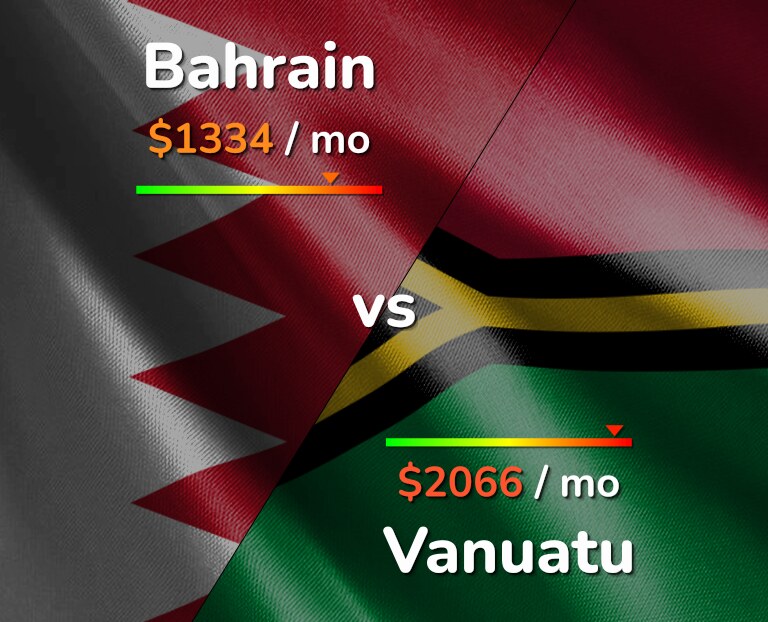
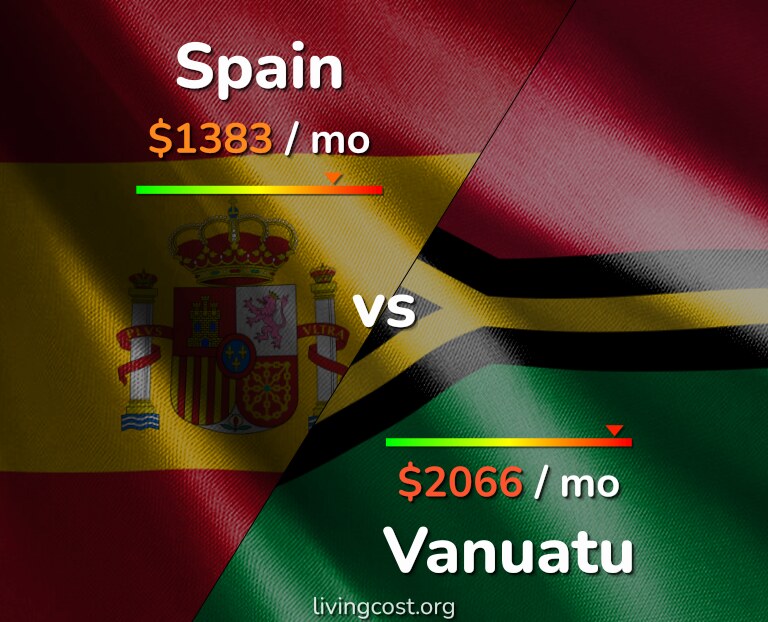
Overall, the cost of living in Vanuatu can vary widely depending on your lifestyle and location. While it can be more expensive than many neighboring countries, especially in terms of housing and imported goods, the overall quality of life, stunning natural beauty, and friendly local culture can make the costs worthwhile. For potential expatriates and long-term visitors to Vanuatu, careful budgeting and awareness of living expenses are essential for a harmonious and enjoyable life in this tropical paradise.
Conclusion
Understanding the costs associated with living in Vanuatu is crucial for making informed decisions, whether considering relocation or planning an extended vacation. By knowing what to expect in terms of housing, utilities, food, and other discretionary spending, you can better prepare for your adventure in this beautiful country.
With its stunning beaches, friendly people, and rich culture, Vanuatu can be a fulfilling place to live or visit. Just make sure to plan accordingly and enjoy everything this incredible destination has to offer!